
An expensive certificate is often sold as a more serious lock. For an ordinary site and an ordinary shop the lock is the same: the browser has to trust the certificate, the connection has to be protected, and the renewal must not rot overnight. Let's Encrypt covers that without a fee for the file. The 99% thesis is not a census of every site on earth. It is the line beyond which the extra payment buys an organization-check procedure, not stronger encryption.
01 What is the same in a free and an expensive one
The browser checks that the certificate was issued by a trusted authority and covers this exact domain. The session encryption does not become more expensive because you paid more. The visitor does not get a separate secret tunnel because the invoice was larger. They get a lock in the address bar if the trust chain is alive.
Let's Encrypt is exactly such a trusted authority for a domain check. Automatic renewal removes the most common outage of cheap and expensive certificates alike: someone forgot to renew, the site shows a warning, forms and payment fall off not because of a weak cipher, but because a slip of paper expired.
02 What the money is for, then
The money is for the level of checking: not only the domain, but the organization, or an extended pack of documents. Browsers used to show this as a separate green line. Now most visitors do not see that line and do not compare it. Selling a green name as a reason for trust aged out together with the interface.
Sometimes the money is for a warranty in a contract, a seal to print, and a promise that search will like you. Search does not rank a site higher because of the certificate's price. It wants the connection to be valid. A seal in the footer does not cure an expired certificate and does not replace a proper payment flow on the bank's side.
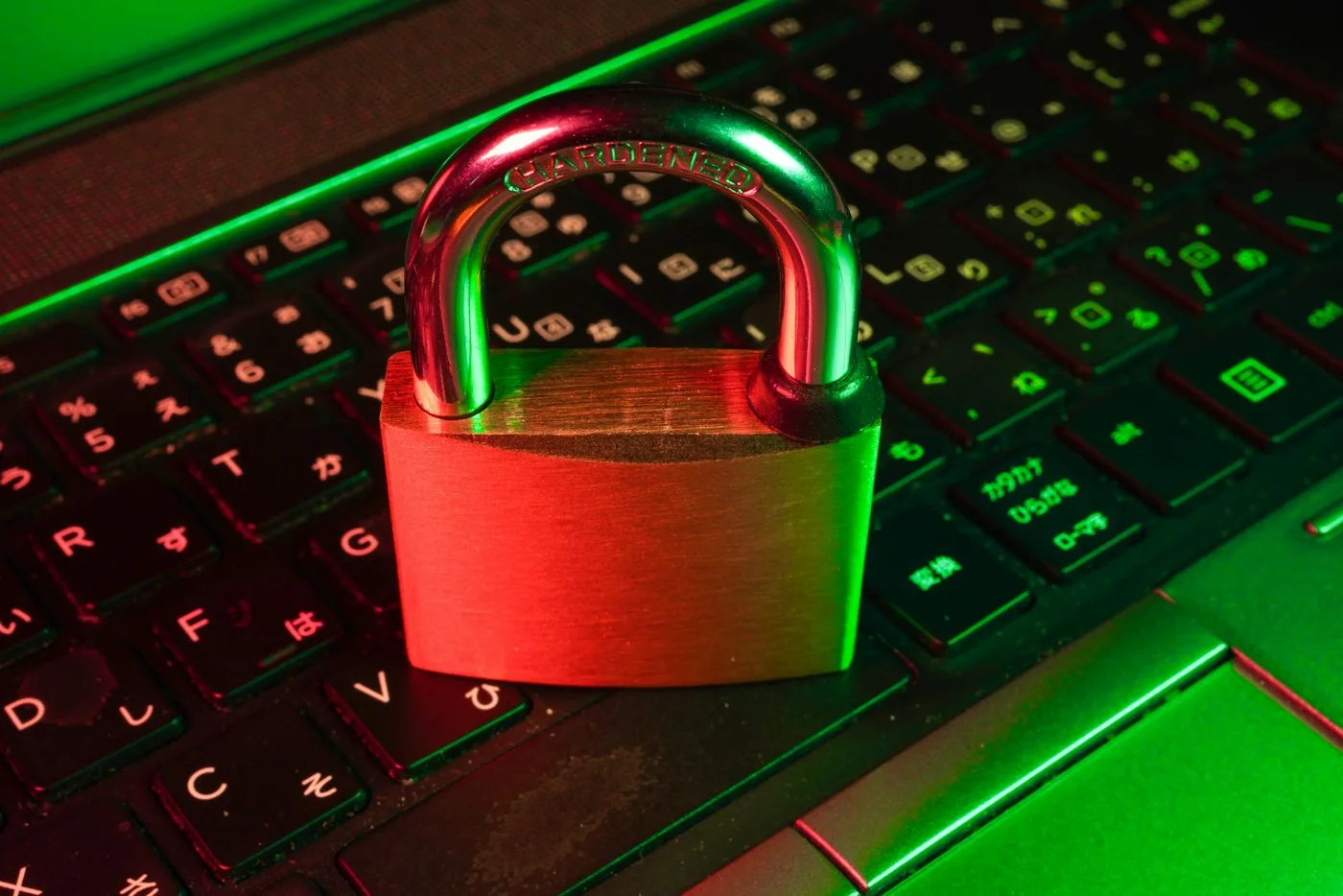
- Check that the certificate is trusted and covers every working address.
- Set automatic renewal and a person who sees a failed issuance.
- Do not pay for a green name the browser no longer shows as an argument.
- Meet the contract separately if it explicitly names a validation type.
03 Where the 99% thesis does not hold
It does not hold if your client’s contract explicitly requires a certificate of a certain validation type and you signed that. Then it is a procurement condition, not a technical advantage of the lock. You either meet it or rewrite it honestly, instead of disguising it as otherwise the site is unsafe.
It also does not hold where a large organization's internal policy forbids free authorities or requires a separate issuance process. That is the bureaucracy of one environment. For a brochure, a blog, a catalog, and a typical shop it is not a law of nature.
Are you paying for stronger encryption, or for a badge the visitor cannot tell apart anyway?
04 Where the real scam is
The scam is the sale of fear. You are told that a free certificate is not for money, that banks dislike it, or that it lasts only ninety days and is therefore weak. The short term is exactly the reason to renew automatically, not a sign of a weak cipher. A bank looks at its own payment path, not at your invoice for a certificate file.
The other scam is to install a certificate and forget the rest: old addresses without protection, mixed content, a form on someone else's domain, no redirect. A lock on the homepage with leaky internal links does not become more expensive because of the authority's brand. It becomes decoration.
To keep the lock valid rather than expensive, look at the projects, the studio approach, and write to contacts when renewal and addresses should be set up without a spare invoice.
05 What to buy instead of a badge
Buy attention to renewal: who gets the email if issuance fails, and whether there is a backup way to bring the connection back. Check that every working address opens protected, and that payment goes through a clear provider, not through a serious SSL slogan.
Keep an expensive certificate for a contract that actually named it. Everyone else is fine with a free trusted one and the discipline of renewal. That is what the headline calls enough for 99%: not fashion, but the absence of a reason to pay for the same lock.