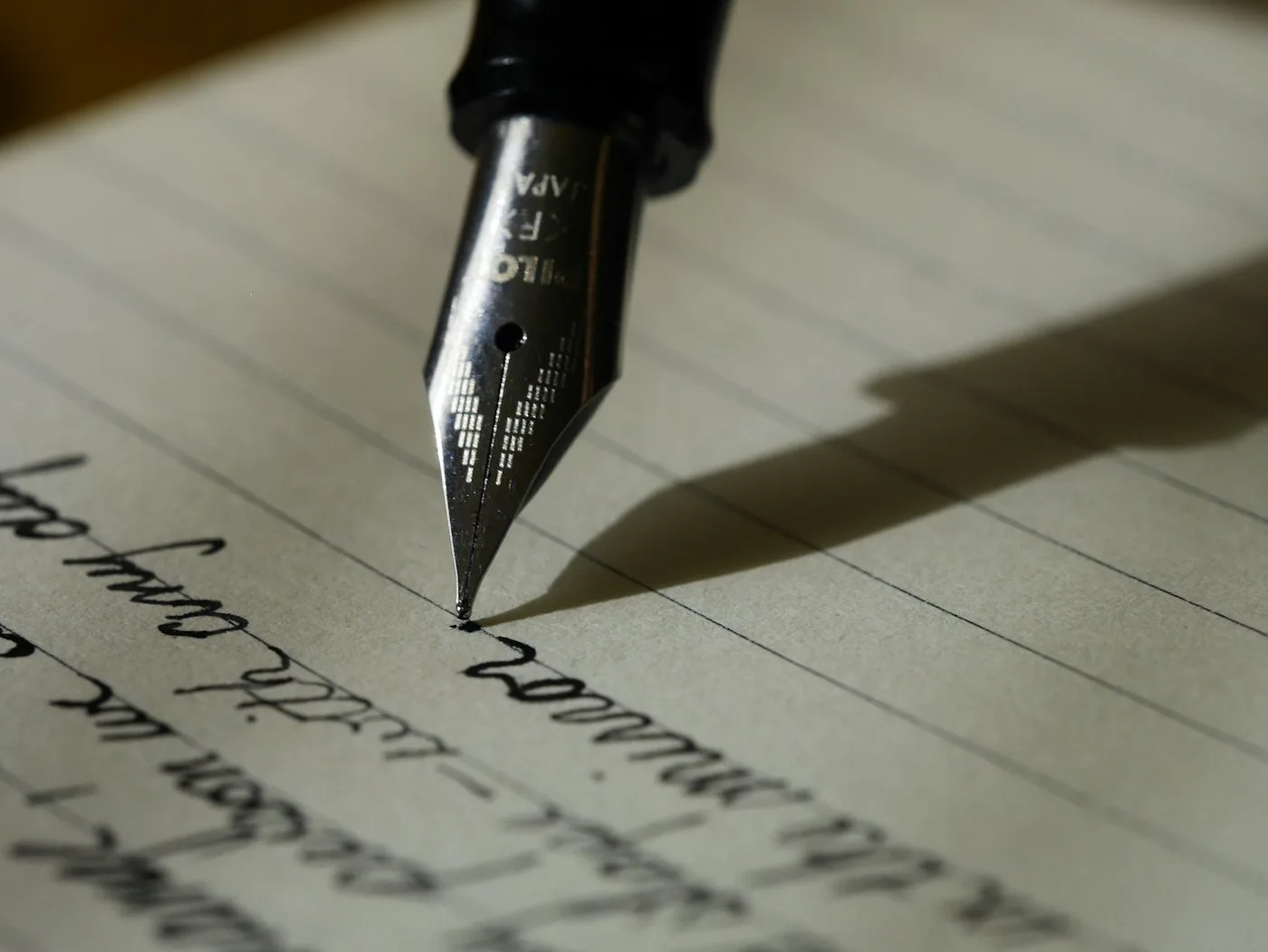
Sometimes an email with a small typo feels warmer than a flawless paragraph from a phrase builder. A person senses that a person wrote it, not a chain of clichés. From that observation comes advice: leave the roughness, do not proofread to sterility, “authenticity sells”. The first part has a nuance. The second is harmful. Trust is raised by a living thought. Carelessness raises doubt about whether you will check the contract the same way.
01 Where roughness really sounds human
In correspondence between people who already work together, a small slip does not destroy the meaning. It can even remove the feeling that a script replied. The same goes for a spoken cadence in text: a short sentence, a concrete detail, a refusal of stationery language. The reader relaxes because they see a line of thought, not a presentation.
The effect depends on the substance. If the thought is precise and a comma slipped, humanity comes through. If the thought is empty, no typo will save it. “We deliver quality on time” with a spelling error remains an empty sentence. Now it is also careless.
02 Why “add a mistake” breaks trust
A deliberate mistake is theater of sincerity. A reader who notices it does not think “what a living brand”. They think whether you will treat the bank details, the delivery date, and the line on the invoice the same way. For an expensive service that is a bad signal. A person needs to believe you are careful where the price of an error is high.
Search and accessibility suffer separately. A broken headline matches worse with how people phrase a query. A list that falls apart in layout, and the mobile reader loses a condition. That is no longer charm. That is friction. The advice “don’t proofread” confuses an author’s voice with the absence of an editor.

03 What to leave alive, and what to proofread hard
The CROPE team keeps a living cadence and a hard fact-check separate. On projects it is fine to write short and conversational. It is not fine to ship a price, a name, a deadline, and a legal promise without a second pair of eyes. Voice lives in the order of words. Responsibility lives in numbers that are not “roughly”.
Useful roughness is a concrete detail that sterile copy cuts: “we reply on a business day, not at night”, “the first call is a look at the job, not a portfolio screening”. Those sentences sound human with no deliberate mistake. They are exactly what you should proofread, so they stay precise.
04 Where sterility also does harm
The other side is copy from which every trace of a person has been cleaned. Identical sentence lengths, no doubt, no boundary. It is flawless and forgettable. The reader does not catch a mistake. They catch that nobody is speaking to them: they are being sold a perfect surface. For a brand that promises to stay after launch, that is also a loss of trust, only quieter.
An editor should remove noise, not character. Noise is repetition, ambiguity, a careless promise, a mistake that changes the meaning. Character is the choice to say “we don’t take this” instead of “we will consider it individually”. If character disappeared after the edit, you did not edit quality. You edited courage.
05 Which rule to hang above the draft
Write as a person who answers for the consequence. Proofread everything where a mistake costs money or reputation. Do not add typos “to feel alive” — add the fact the sterile paragraph was afraid to name. If the team is arguing where voice ends and carelessness begins, that is normal editing, and it can be assembled via contact.
- Typos in price, name, and deadline do not reach production
- Life comes from specifics, not from a deliberate mistake
- A second pair of eyes covers promises
- Stationery language is gone, the character of a refusal stays
- Nobody “adds a mistake for sincerity”
Which mistake on your site may a client fairly read as character — and which one already reads as indifference to their money?